





Fannin Local Goes to Court Over Audio Recording
Police & Government July 15, 2015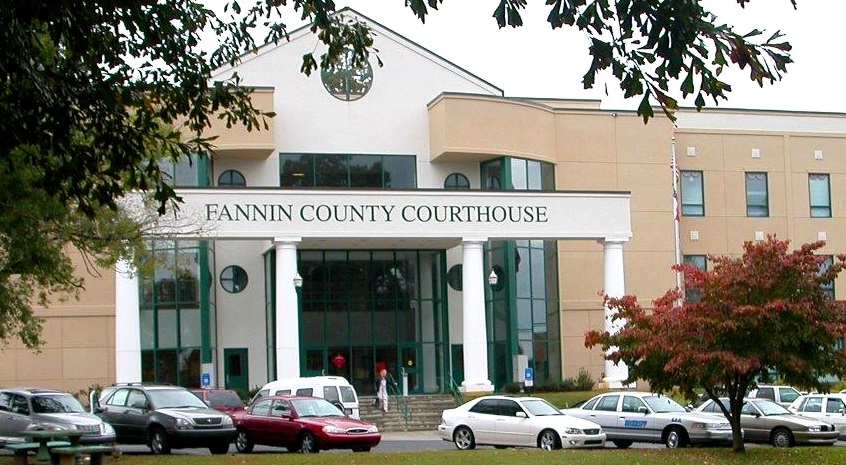
Press and Lawyers, a mixture not many people enjoy.
Yet, Judge Martha Christian dealt with both in a morning hearing over the case between Fannin Focus and Rhonda Stubblefield on July 14, 2015. A hearing that brought forth discussion upon Open Records Requests, depositions and filings, and the credibility of a transcription.
The plaintiff, the Fannin Focus newspaper, is filing to forcibly retrieve an audio recording of a past court case from Ms. Stubblefield on the grounds that they have reason to believe the transcription is inaccurate.
However, the defendant argues that the audio recording is not subject to an Open Records Request as Ms. Stubblefield is protected under Rule 21 of a Supreme Court Ruling which states that a transcript or an audio recording must be filed with the courts as their records.
Quoting court cases such as the 1992 case Green v. Drinnon, Inc., the Plaintiff argues the reason they are needing the audio recording is due to allegations that the transcript is incomplete or inaccurate. They attempted to submit a deposition by a witness stating he remembered the case going differently than the court reporter’s transcript. However, they were denied due to the deposition not being properly filed with the Court prior to the hearing.
In the closing moments, the plaintiff declined to make any closing remarks, however the defendant reiterated the beliefs that Ms. Stubblefield is not subject to an open records request due to the case law provided through the Sunshine Law.
After several minutes of deliberation, Judge Christian laid down her ruling stating, “Rule 21 applies.”
Since the court has a certified copy of the transcript of the proceeding before the Honorable Roger Bradley on March 16, 2015, Judge Christian stated,
“I am going to leave open the issue of whether or not the certified transcript is accurate or not complete.”
The court did not order any tapes to be produced, though with the case left open the plaintiff can still prepare depositions and continue to pursue evidence to prove the transcript is inaccurate.
In the final moments in the courtroom, the defendant’s lawyer suggested they may file a motion for an “in camera” inspection. Both attorneys indicated an agreement to sit with Judge Christian and listen to the audio to prove the transcript is correct.
This motion could streamline the entire court case if the audio file proves the transcript correct and the Judge requested a written stipulation to support this.
After the hearing, Ms. Stubblefield declined to comment, however, Mark of the Fannin Focus did comment saying,
“If we can prove that there is reasonable hard evidence to suggest through deposition that witness testimony is in conflict with the recorded transcript that she will allow the audio.”
He also claims he already has several people willing to testify. They are providing 9 witnesses at first in an effort to streamline the process, but state they can provide more if the court requests more evidence.
Leave a comment